

Transitions Are Hard: Helping Kids Shift Without Meltdowns
Transitions moving from one activity to another can feel small to adults, but for many children, they are one of the hardest parts of the day. Leaving the playground, turning off a tablet, starting homework, or getting ready for bed can quickly turn into tears, resistance, or full emotional meltdowns.
These reactions are not signs of defiance or poor parenting. They are signs of a developing nervous system struggling to shift gears.
Understanding why transitions are hard and how to support children through them can dramatically reduce meltdowns and strengthen emotional regulation and mental health.
Why Transitions Are So Difficult for Kids
Children’s brains are still developing the skills needed to:
Stopping one task
Processing what comes next
Regulating emotions
Managing disappointment
Shifting attention
For many children, especially those with ADHD, autism, anxiety, sensory processing differences, or trauma histories, this mental shift is even more demanding.
When a transition happens too quickly, the nervous system can move into fight, flight, or freeze, leading to crying, yelling, running away, or shutting down.
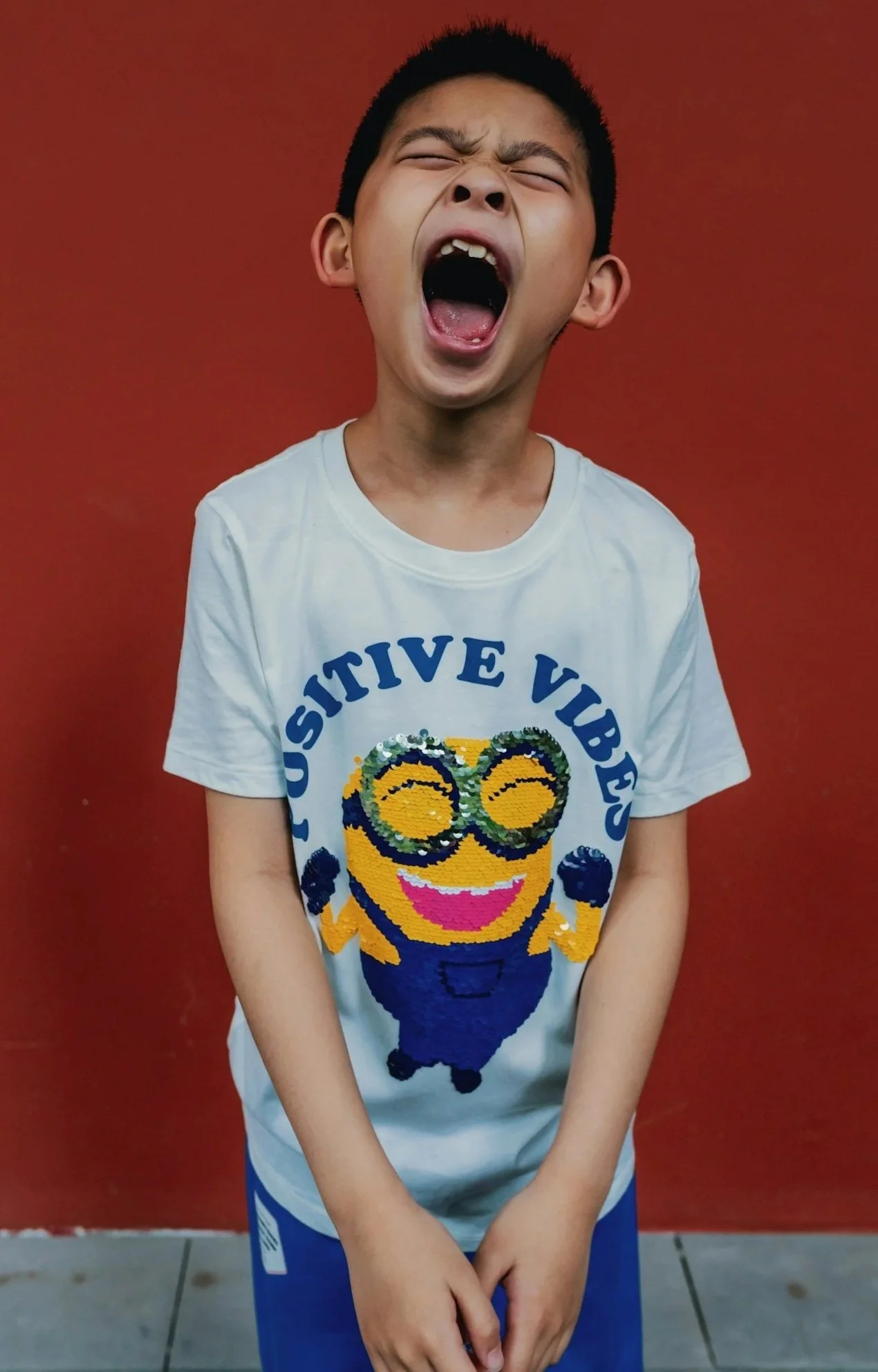
Transitions are hard for kids. Learn why transitions cause meltdowns and how to support emotional regulation using proven, trauma-informed parenting strategies.
Common Triggers During Transitions
Transitions are more likely to cause meltdowns when children are:
Tired or hungry
Deeply focused or emotionally invested
Leaving a preferred activity
Facing uncertainty
Overstimulated
Already stressed
Even positive transitions like going to a fun place can overwhelm the nervous system.
The Difference Between Resistance and Nervous System Overload
What looks like not listening is often:
Emotional flooding
Loss of perceived control
Difficulty processing change
Fear of what comes next
When the brain is overwhelmed, reasoning and discipline do not work. Support and regulation do.
How to Help Kids Transition Without Meltdowns
1. Give Advance Warnings
Prepare the brain before the change:
10 more minutes
5 more minutes
2 more minutes

Discover how nervous system overload affects children during transitions and practical ways to prevent meltdowns while supporting long-term mental health.
Visual timers or countdowns can be especially helpful for children with ADHD or autism.
2. Use Visual Schedules
Seeing what comes next reduces anxiety and uncertainty.
Simple tools:
Picture schedules
Whiteboards
Routine charts
Predictability helps children feel safe.
3. Offer Choices
Choices restore a sense of control:
Do you want to clean up now or in two minutes
Red shoes or blue shoes
Control reduces emotional resistance.
4. Create Transition Rituals
Small routines signal the brain to shift:

Struggling with transitions? Learn how to help children with ADHD and autism shift activities without meltdowns using evidence-based emotional regulation tools.
A song before bedtime
A clean up chant
A special goodbye handshake
Rituals create emotional safety.
5. Validate Feelings
Instead of correcting emotions, acknowledge them:
It’s hard to stop when you’re having fun
You wish you could stay longer
Transitions are tough sometimes
Feeling understood calms the nervous system.
6. Keep Your Voice Calm and Body Relaxed
Children borrow regulation from adults. A calm tone and slow movements communicate safety more than words ever could.
7. Teach Skills During Calm Moments

When we slow down, prepare children, and lead with empathy instead of control, we reduce meltdowns and teach lifelong emotional resilience.
Practice:
Deep breathing
Naming emotions
Asking for help
Using timers
Coping strategies
Skills learned in calm moments are used during hard ones.
Long Term Benefits of Supporting Transitions
When children feel supported during transitions, they develop:
Stronger emotional regulation
Greater flexibility
Lower anxiety
Better behavior
Increased confidence
Healthier nervous systems
These skills protect mental health well into adulthood.
Join Our Community
Charlene’s Haven’s mission is to build awareness of mental wellness. Comment, like, and subscribe for more informative blogs. Learn more about our founder and inspiration behind Charlene’s Haven. Shop for our latest edition of Swan Magazine. Donate today to Charlene’s Haven 504 foundation to support individuals with Autism. Charlene’s haven 504 clothing proceeds go to our 504 foundations. Read more of our Autism related blogs including Autism transitioning into college, Driving rules for individuals with Autism, and Individuals with Autism experiencing self-injurious behaviors.